

The Interior Designer’s Secret Weapon: Giant Bean Bags in Layered Layouts

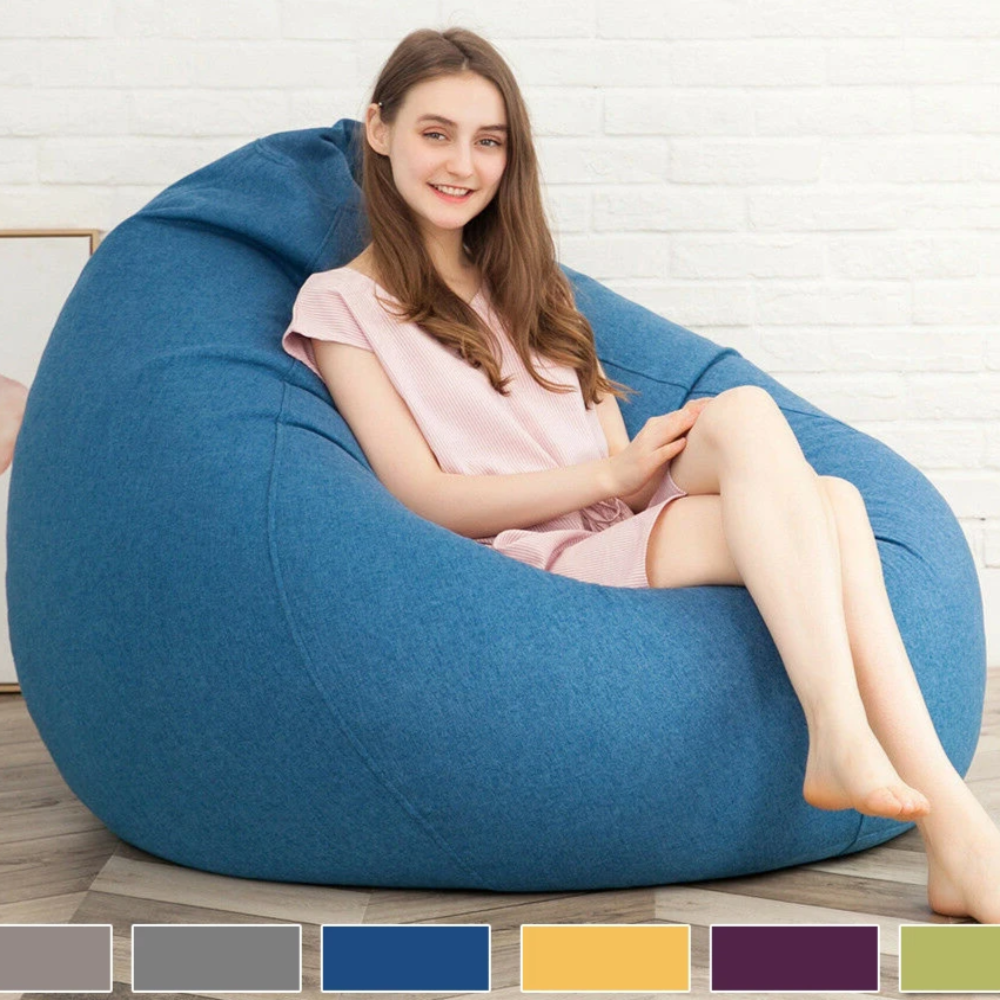
The Giant Bean Bag is one such adaptable and fashionable addition. Far from being just casual seating, these big cushions have become hidden weapons in layered designs, providing both aesthetic appeal and practical use. This thorough guide explores the several uses of Giant Bean Bags in interior design, their advantages, ways of integration, and transforming power they can possess on different areas.
Bean Bags’ Changing Role in Interior Design
Historically, bean bags were connected with casual environments and usually seen in children’s rooms or game spaces. Modern designers have reinterpreted these works, nevertheless, seeing their ability to provide comfort and elegance to all kinds of environments. Modern huge bean bags fit for elegant homes since they are made of premium materials and have fashionable designs. Their flexibility lets designers include them into several designs, from simple to eclectic, thereby improving the whole atmosphere of a room. ⁀
Realising Layered Interior Design
Layered interior design is the deliberate mixing of several elements—textures, colours, patterns, and materials—to produce depth and visual appeal. This method turns boring, flat areas into vibrant settings that call for interaction. Main elements of layering consist in:
-
Textures: Incorporating wood, metal, cloth, and glass will help to provide tactile variation.
-
Colours: To produce harmony and contrast, use a consistent colour palette with different tones and tints.
-
Patterns: Mixing patterns in a harmonic balance will add movement and vitality.
-
Lighting: Using several light sources to accentuate aspects and create the atmosphere.
Carefully arranging these components will help designers create functionally comfortable and aesthetically beautiful environments.
Giant Bean Bags: Their Place in Layered Designs
Giant Bean Bags provide a major contribution to multilayer interior designs by means of:
-
Their delicate, fluffy surfaces provide contrast with tougher elements like metal or wood, therefore providing depth and interest.
-
Available in a rainbow of hues and designs, colour accents can be focal points or complementing elements inside a colour scheme.
-
Their movability makes it possible to design flexible seating that fits different events and meetings.
-
They bring a laid-back but elegant touch to balance formality in more ordered environments.
Thoughtful integration of Giant Bean Bags can improve the layered impact and create more appealing and personalised places. )
Choosing the Appropriate Giant Bean Bag for Your Environment
Selecting a suitable large bean bag calls for weighing many elements:
-
Materials should match the functional and aesthetic demands of the room. From opulent velvet to robust outdoor materials, options span luxury.
-
Colours and patterns should either emphasise or match the current décor.
-
Dimensions of the bean bag should fit the area without overpowering it. Shapes range from conventional round to more regimented ones.
-
Good filling materials give superior support and lifetime. ⁀
Careful choosing guarantees that the bean bag improves the comfort and look of the room.
Placing Techniques for Optimal Effect
Giant Bean Bag placement can greatly affect the practical ability and visual appeal of the room:
-
Arranging a brilliantly coloured or interestingly shaped bean bag in a focal place will attract attention and provide intrigue.
-
Bean bags can assist define several functional zones in open-plan designs without the requirement of walls. ⁀
-
Improving Cosy Corners: Setting a bean bag in a nook with soft lighting and furnishings makes for a welcoming haven.
-
Bean bags provide a little softness and help to balance the visual weight in rooms featuring big furniture items. )
Careful placement improves the layered pattern and guarantees the bean bag helps the flow of the area. ⁀
Complementing Bean Bags with Other Design Tools
Giant Bean Bags should be thoroughly included into a layered design by thinking about combining them with:
-
Throws and cushions: Adding these accessories will bring more colours and textures, therefore improving comfort and style.
-
Area Rugs: Anchoring a bean bag inside the space on a complementary rug helps. )
-
Side Tables: Including little tables close by balances the bean bag’s laid-back character and adds utility. )
-
Lighting: Floor lamps or pendant lights can accentuate the area designated for bean bags, therefore defining the room.
These complementing components guarantee the bean bag feels cohesive and deliberate in the design. ,
Case Studies: Harmonious Integration of Giant Bean Bags
Analysing actual cases might inspire you and offer useful knowledge:
-
Modern Minimalist Apartment: Without upsetting the clean lines, a neutral-toned large bean bag provides warmth and a laid-back seating solution.
-
Bohemian Living Room: Patterned bean bags accentuate the laid-back attitude by adding to the varied combination of textures and colours.
-
Children’s Playroom: Brightly coloured bean bags provide flexible, safe, readily relocated seating for all kinds of activities.
-
Outdoor Spaces: Bean bags made of weather-resistant materials offer pleasant seating that accentuates the surroundings.
These situations show how adaptable and appealing Giant Bean Bags are in several environments. ω
Tips for Maintenance and Care
To guarantee lifetime and constant visual appeal:
-
Follow manufacturer recommendations for cleaning covers.